

10.0.0.1 is a default private IP address used as the router’s gateway address for accessing the admin control panel of many Wi-Fi routers and managed systems internally. It is most commonly seen with Xfinity/Comcast gateways, LPB Piso WiFi systems, Cisco, and other networking equipment.
This IP (part of the 10.0.0.0/8 private network range) does not work across the public Internet — it only functions within local networks such as your home, office, or a public Wi-Fi hotspot.
What Is 10.0.0.1?
| Aspect | Description |
| Type | Private IPv4 address |
| Purpose | Default router admin gateway |
| Where it works | Local network (home/office/public) |
| Not accessible from internet | No |
| Part of range | 10.0.0.0 – 10.255.255.255 |
| Common in routers by | Xfinity/Comcast, Cisco, Arris, Technicolor, LPB Piso WiFi |
Use cases include changing Wi-Fi settings, updating security, managing connected devices, enabling parental controls, and configuring advanced router options.
Default Login Credentials & Router Brands
| Router Brand/System | Default IP | Default Username | Default Password | Notes |
| Xfinity/Comcast | 10.0.0.1 | admin | password | Most common defaults |
| LPB Piso WiFi | 10.0.0.1 | admin | 123456789 | Used in coin-operated Wi-Fi systems |
| Cisco | 10.0.0.1 | cisco | cisco | Business routers |
| Aztec | 10.0.0.1 | admin | password | Common in some OEM units (10.0.0.1) |
| Intelbras | 10.0.0.1 | admin | admin | Supplier defaults |
| Arris | 10.0.0.1 | cusadmin | high-speed | Cable modem default |
| Other & Unlisted | Various | admin/user | password/admin/1234 | Depends on brand model |
Important: If the router’s credentials were changed from default, the sticker on the device or the user manual usually shows the current login info.
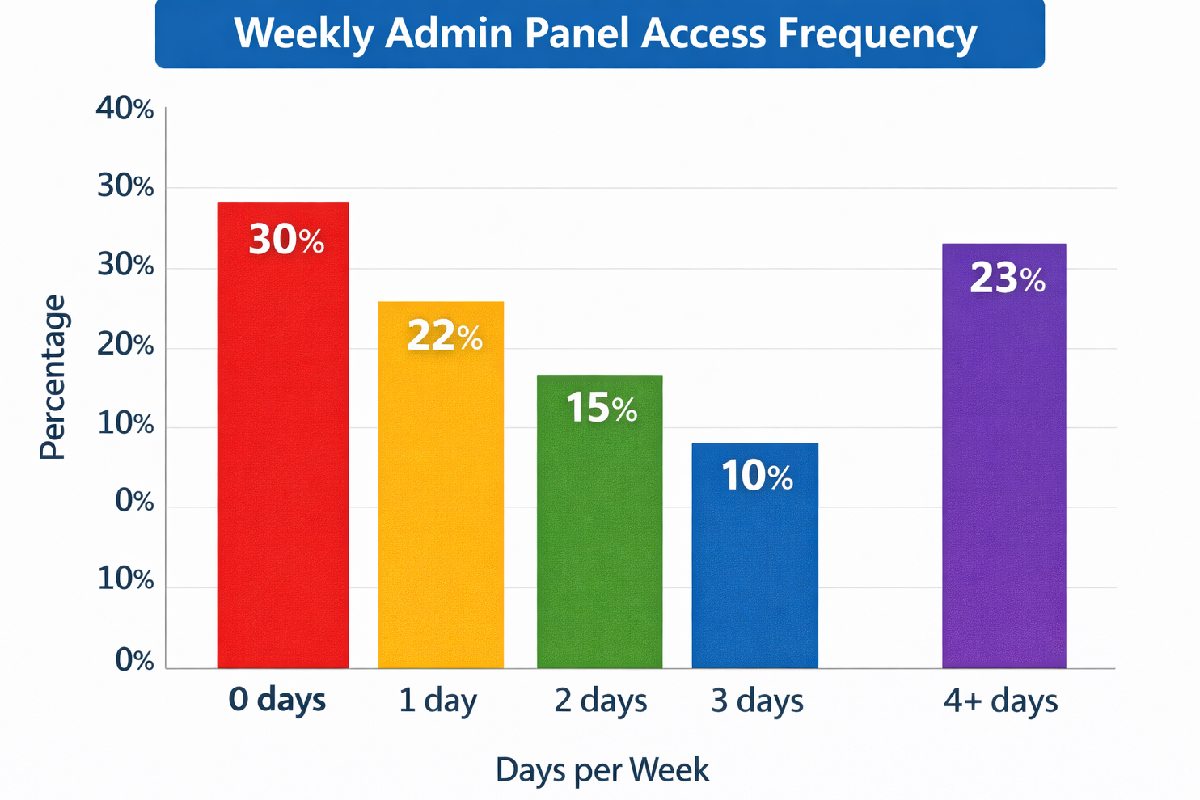
Weekly Admin Panel Access Frequency
Router Brands Using 10.0.0.1

How to Log In (Step-by-Step)
| Step | Action |
| 1 | Connect your device to the router’s Wi-Fi or LAN cable |
| 2 | Open any web browser (Chrome, Edge, Firefox, Safari) |
| 3 | Type http://10.0.0.1 in the address bar and press Enter |
| 4 | When prompted, enter the admin username & password |
| 5 | On successful login, you access the router’s control panel |
If the page doesn’t load, try clearing your browser cache, confirming your network connection, or using alternative IPs if your router uses a different gateway.
Things You Can Do After Login
| Feature Category | Controls Available |
| Wi-Fi Settings | Change SSID, set Wi-Fi password, enable/disable network |
| Security | Configure encryption (WPA2/WPA3), firewall, and guest networks |
| Device Management | View connected devices, block unknown users |
| Parental Controls | Set usage schedules, filter content |
| Advanced Settings | DHCP, port forwarding, IP reservations |
| Firmware | Update router firmware for security |
This is essentially the network control center for your Wi-Fi router.
Common Issues & Fixes
| Issue | Possible Fix |
| Cannot reach 10.0.0.1 | Check if router uses this IP or another like 192.168.1.1/192.168.0.1 |
| Wrong username/password | Check router label or manual; perform reset if forgotten |
| Browser blocks access | Clear browser history, try another browser |
| Multiple routers conflict | Change one router’s IP or disable extra DHCP server |
Note: Typical mistakes include typing 10.0.0.0.1 or 10.0.01, which are invalid addresses.
When & Why People Use 10.0.0.1
| User Type | Main Purpose |
| Home Users | Change Wi-Fi name/password, secure network |
| Small Businesses | Control network access, set priorities |
| IT Administrators | Advanced network configuration |
| Piso WiFi Operators | Manage coin/time settings and timers |
| Technicians | Troubleshoot connection & security |
For Piso WiFi systems (public coin-operated Wi-Fi), visiting 10.0.0.1 often opens a captive portal where users insert coins, check remaining time, and pause/resume sessions.
Security & Admin Password Best Practices
- Always change the default admin login immediately after the first login.
- Use strong, unique passwords (mix letters, numbers, and symbols).
- Keep firmware updated monthly.
- Disable remote management if unused.
- Enable WPA2/WPA3 encryption on Wi-Fi.
FAQs
Q: Is 10.0.0.1 the same as 192.168.1.1?
No—both are default local IPs but used by different routers.
Q: Can I access 10.0.0.1 from outside my network?
No—it’s private and works only within your LAN.
Q: What if I forget my router’s login password?
You generally have to reset the router to factory defaults.
Q: Why can’t I access it even though I’m connected?
The router might use a different default gateway, or you might need to verify your IP settings.
Final Summary
The IP address 10.0.0.1 is a default admin gateway used for local network router configuration—letting users manage Wi-Fi names, passwords, security settings, and more. It is essential for both home networking and public Wi-Fi systems like Piso Wi-Fi, and understanding how to log in and secure it helps maintain better network performance and protection.
